Parametric Studies
Voronoi Studies
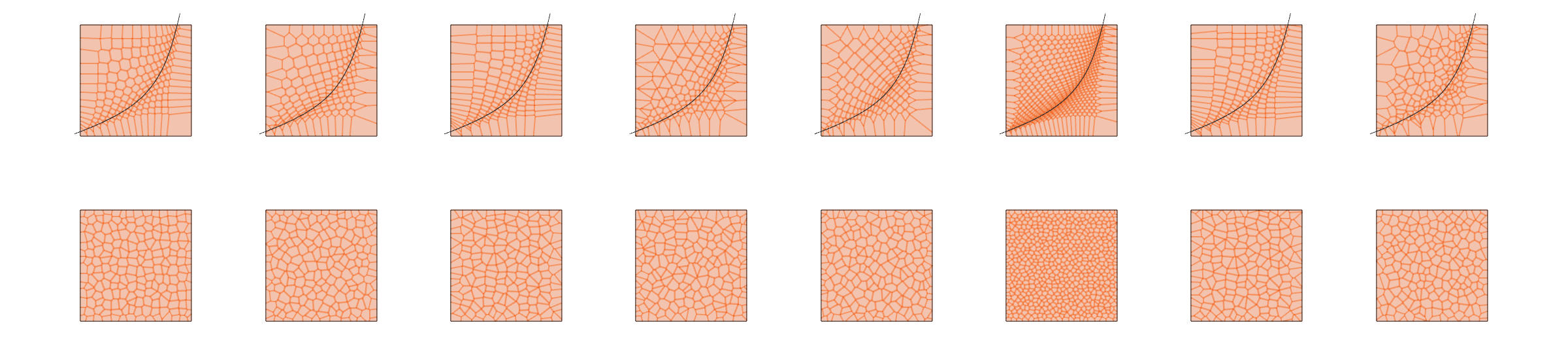
Seven grids and a scatter, each grown into a Voronoi in Region
Oct 28, 2026 Alexandria Phoenix 2.0
Overview
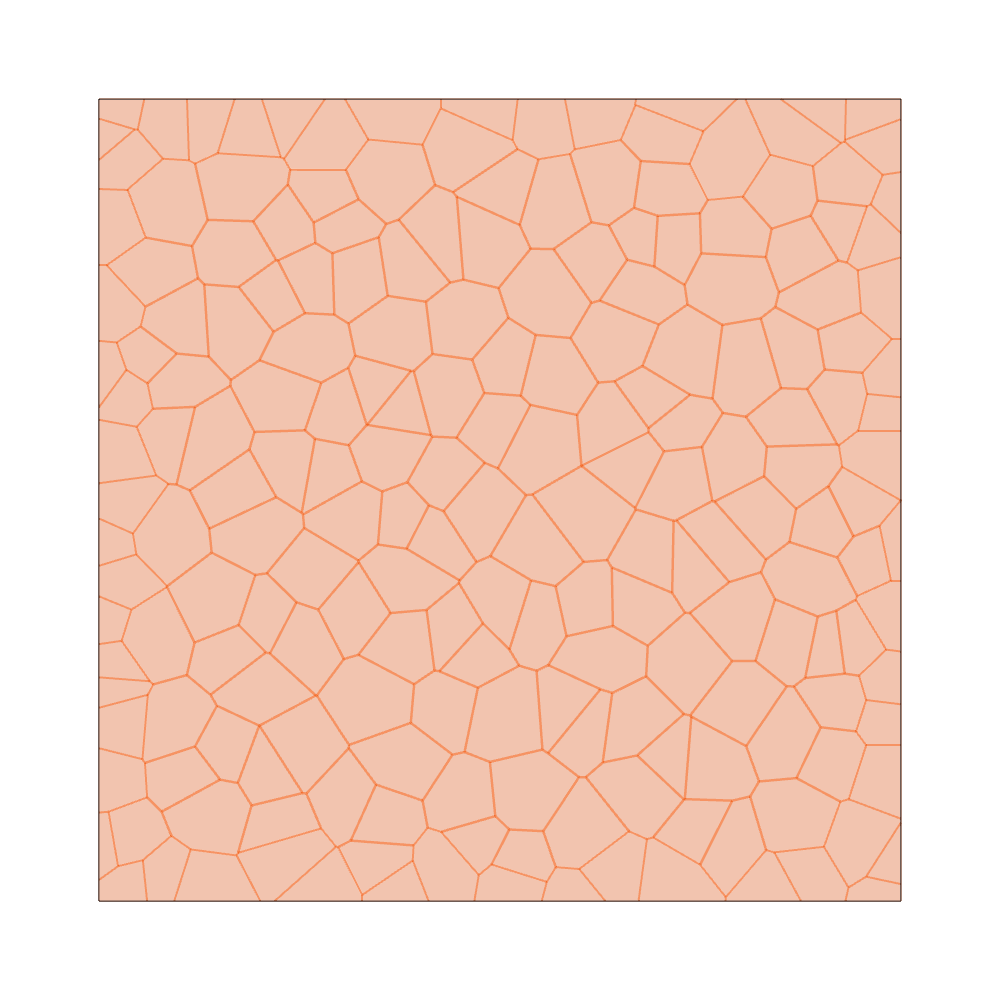
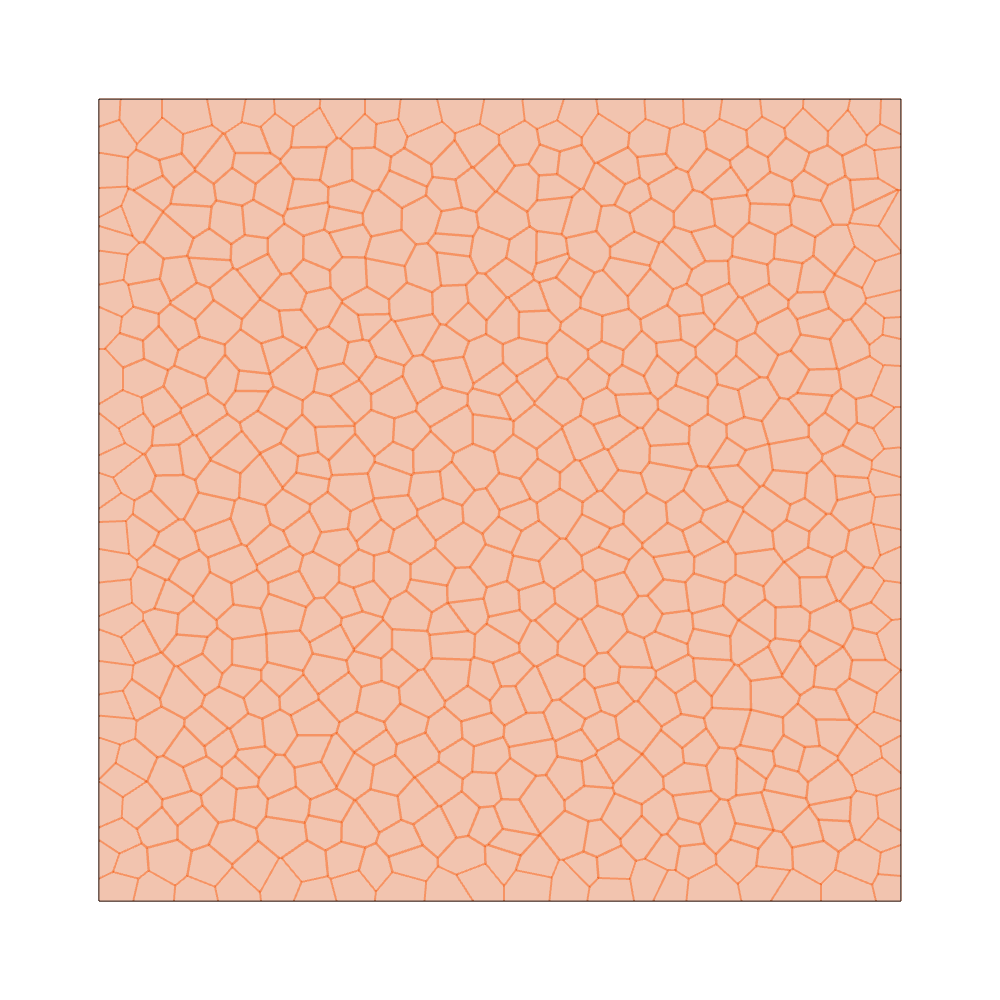
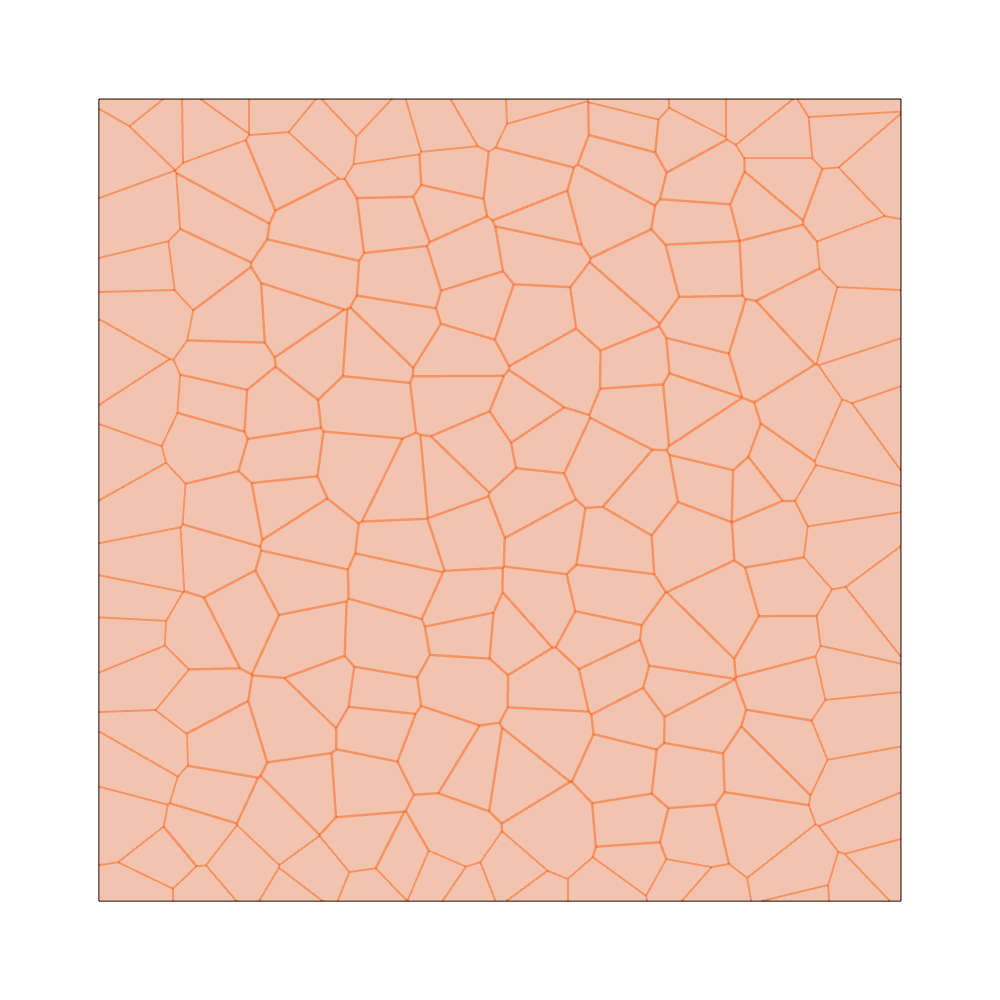
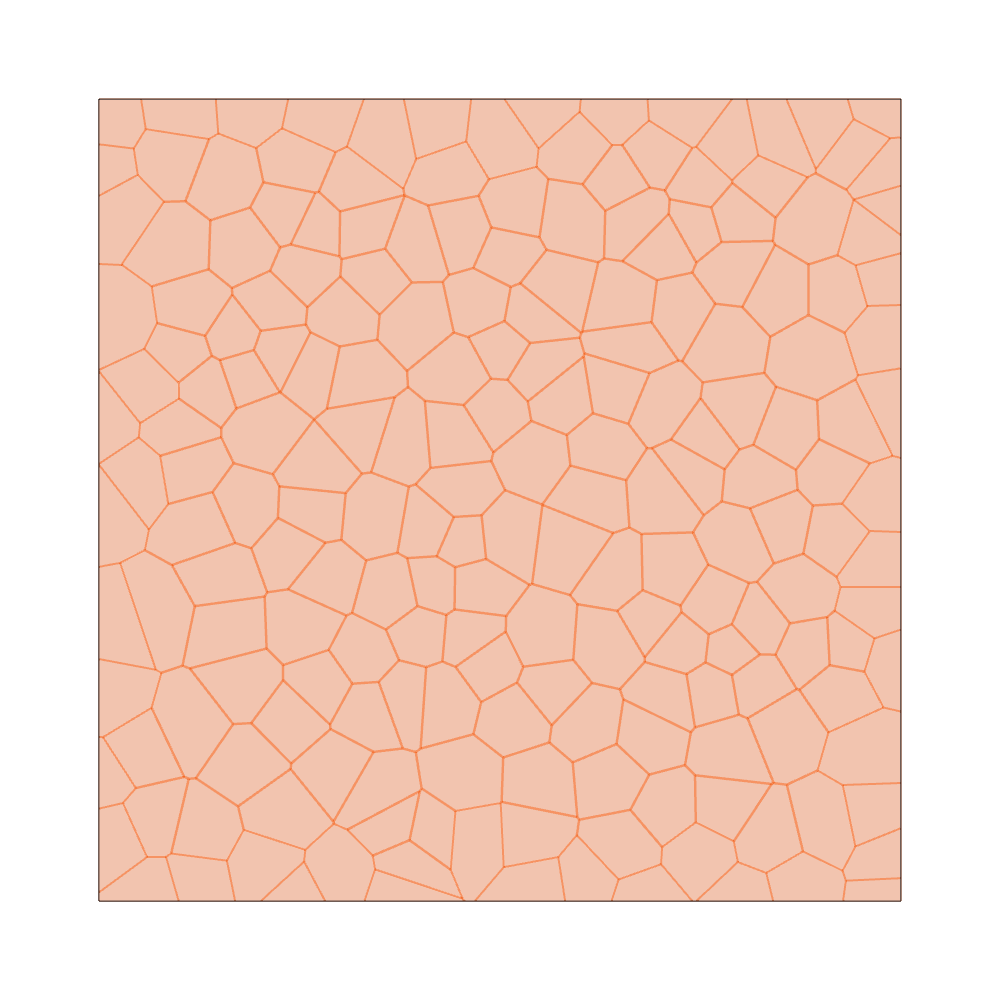
The Voronoi section of the Phoenix tab splits a Voronoi in two: a seed component makes the points, and Voronoi in Region grows the cells from them and trims them to the region. Attractor Seeds and Jitter Seeds take the cells of any grid, one seed per cell; Scatter Seeds needs no grid. Swapping one seed component for another, or one grid for another, changes one wire.
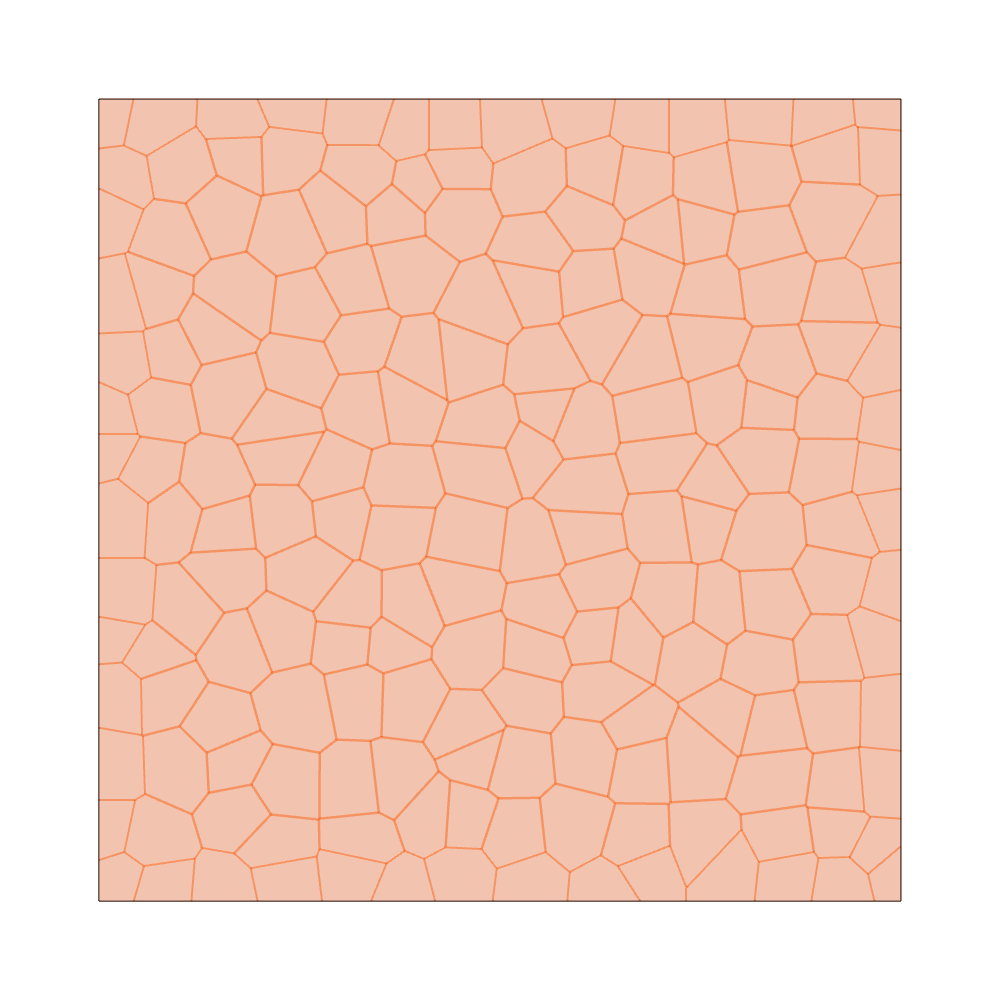
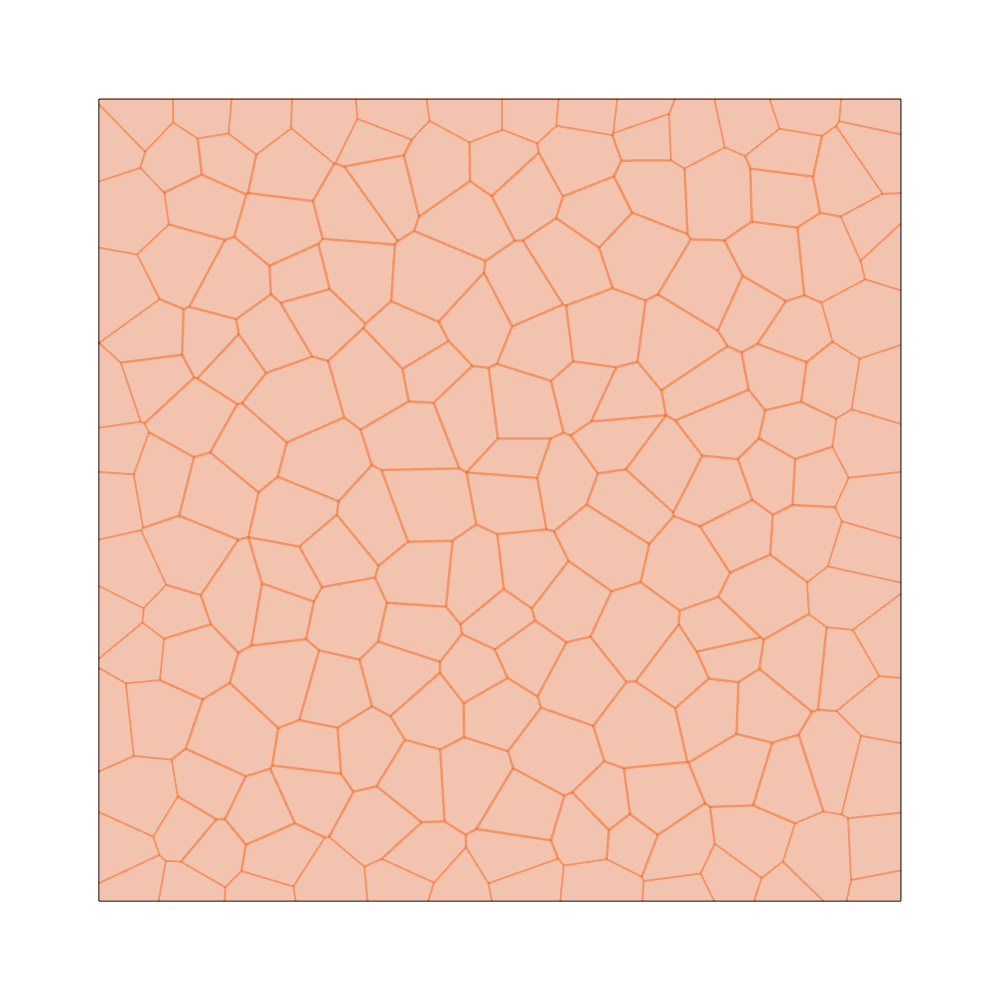
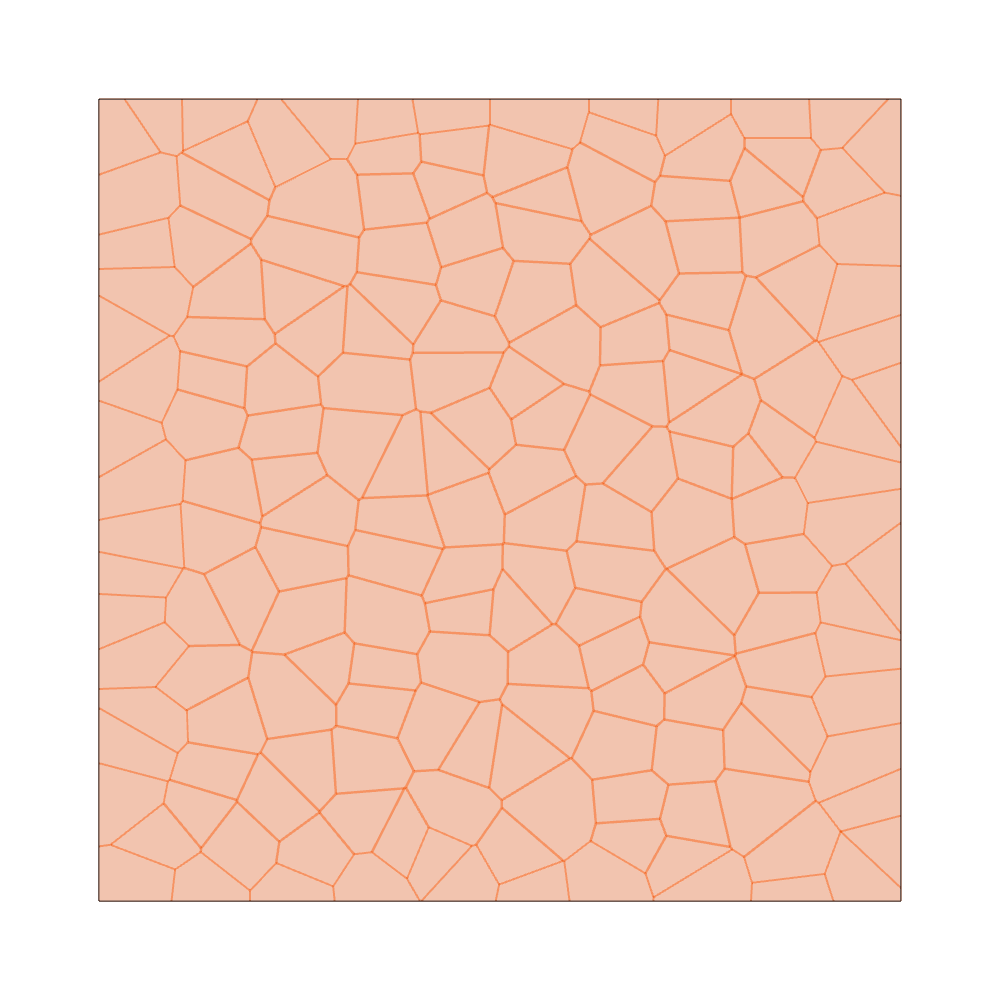
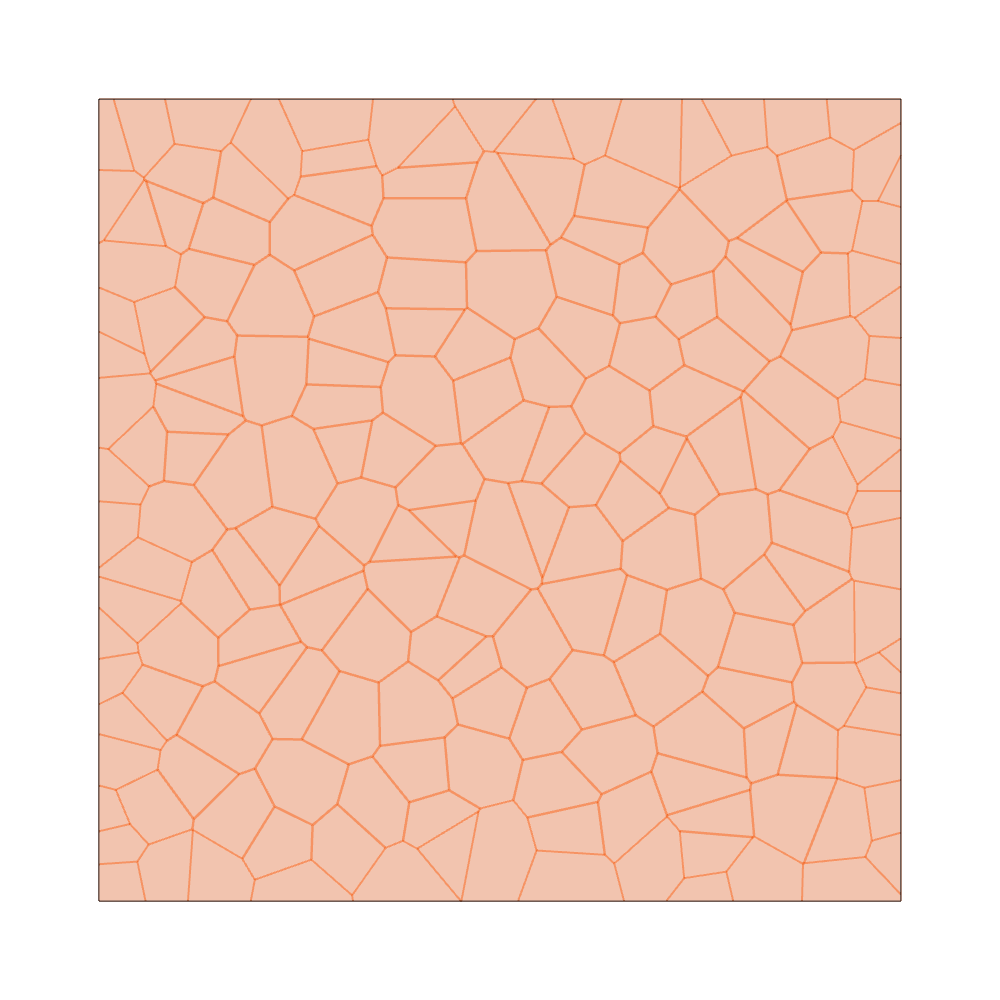
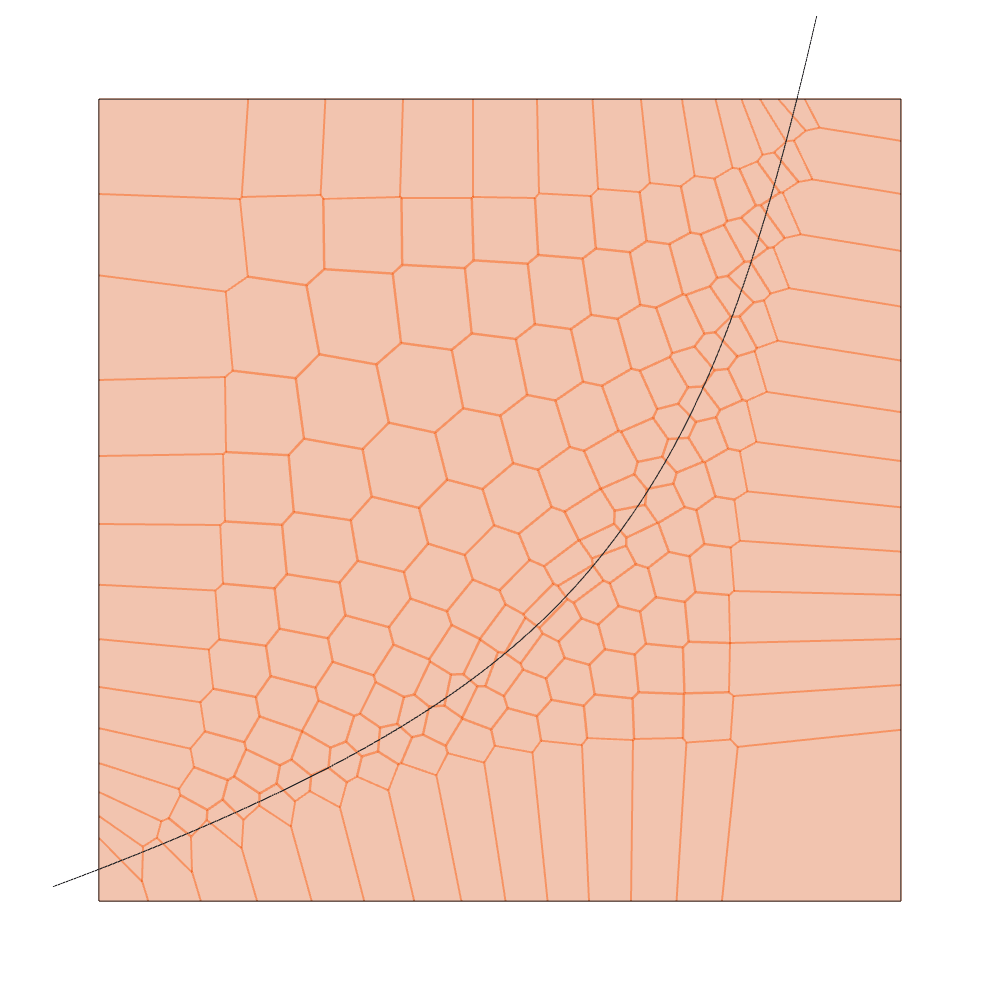
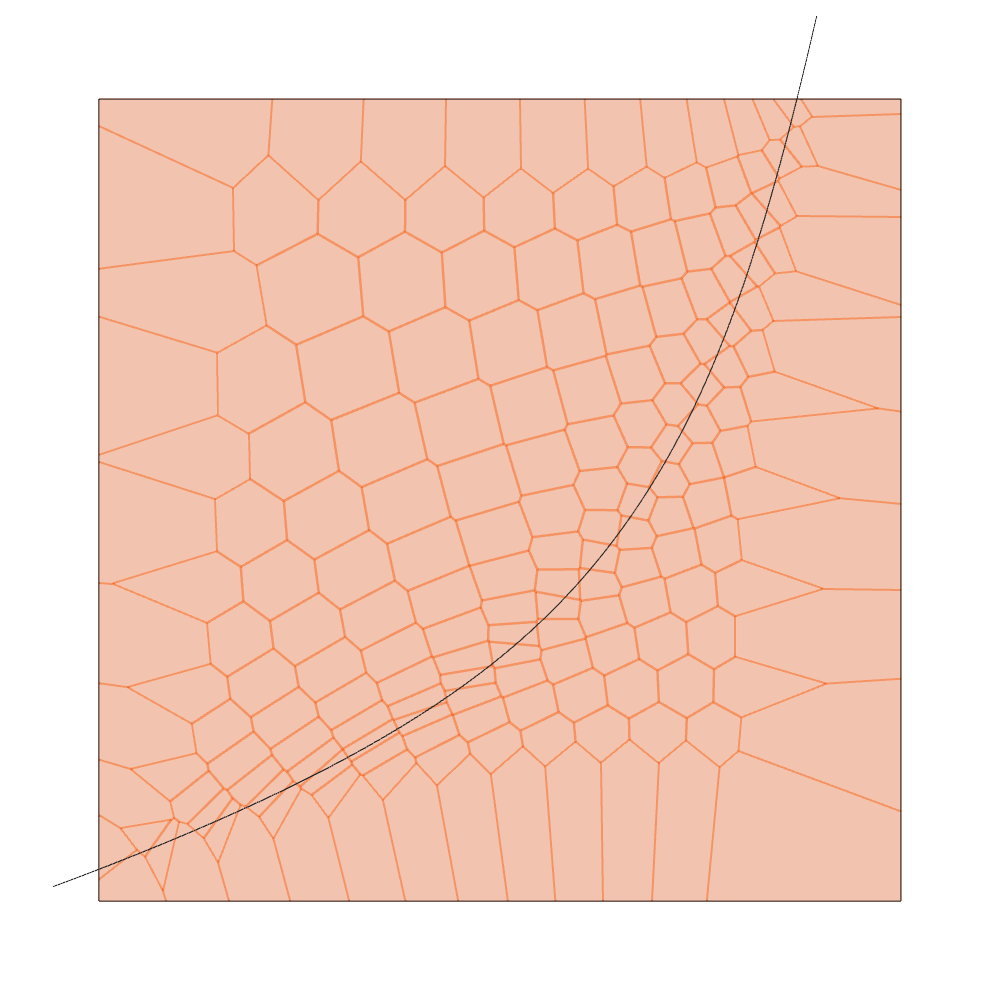
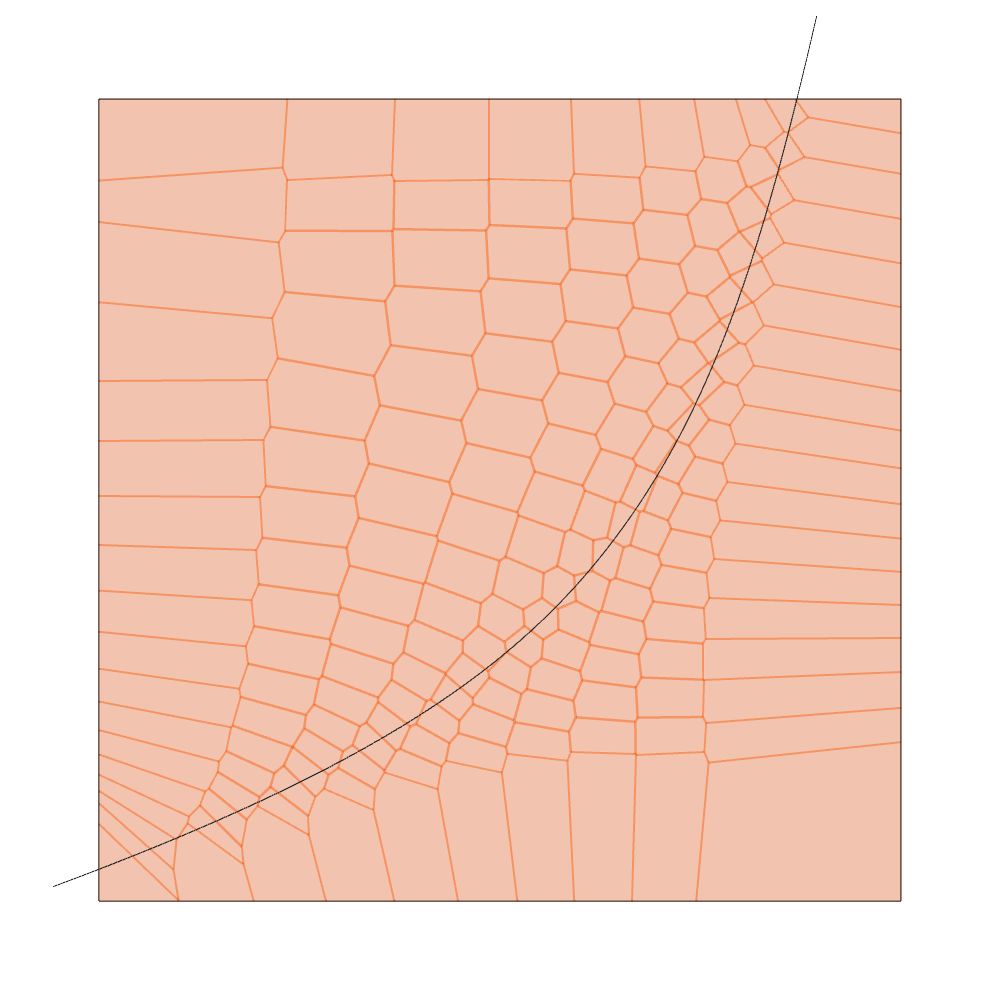
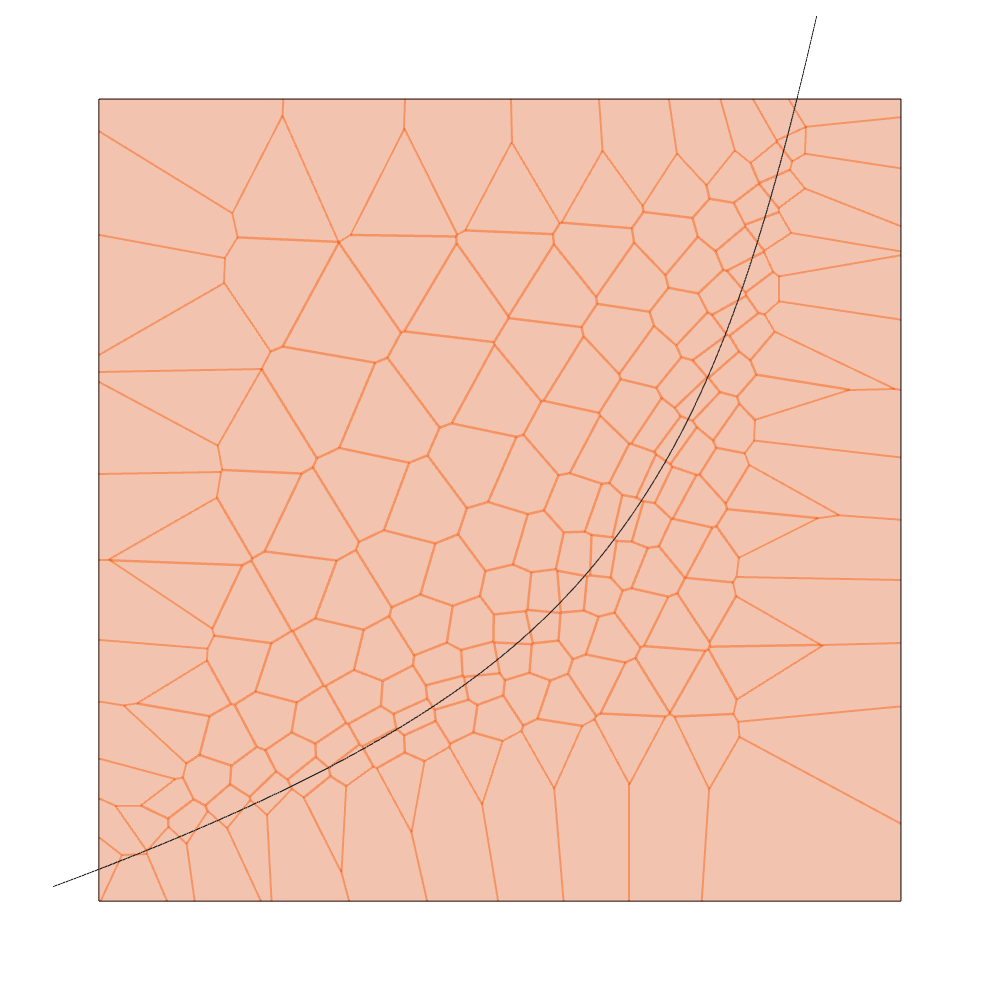
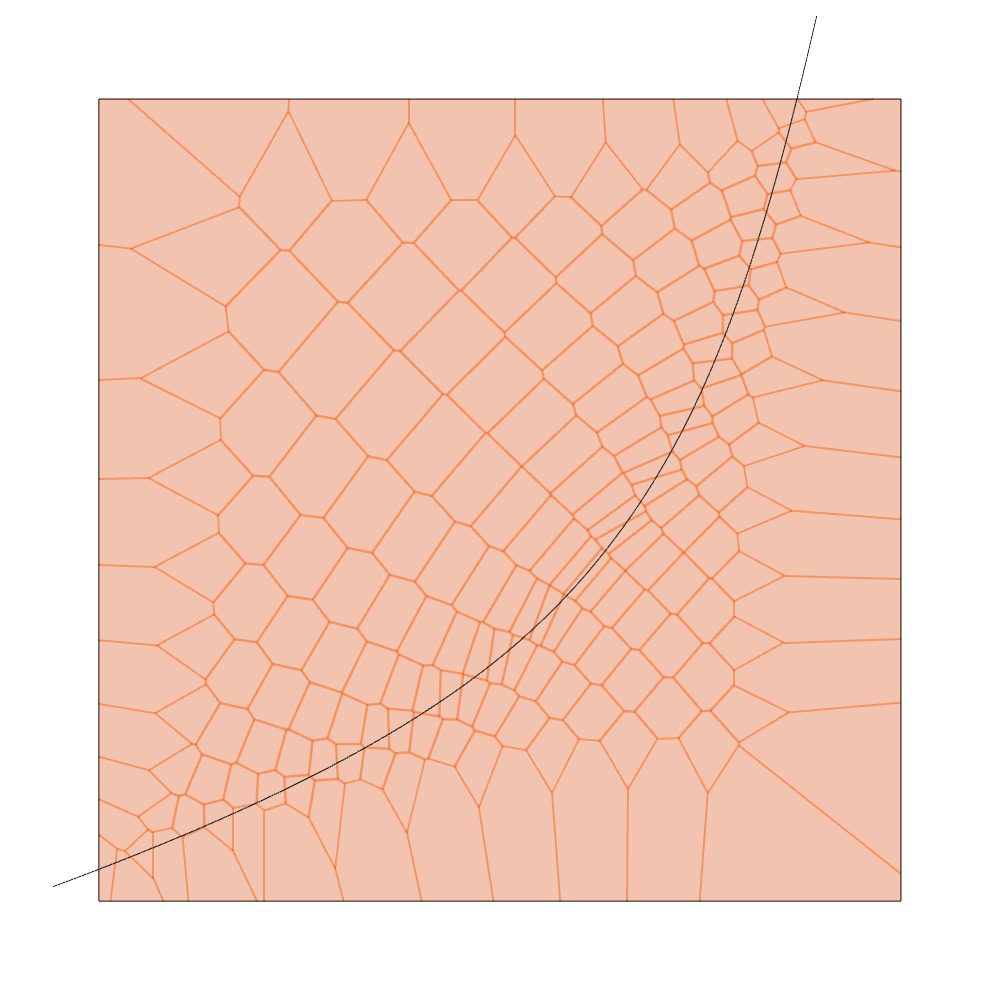
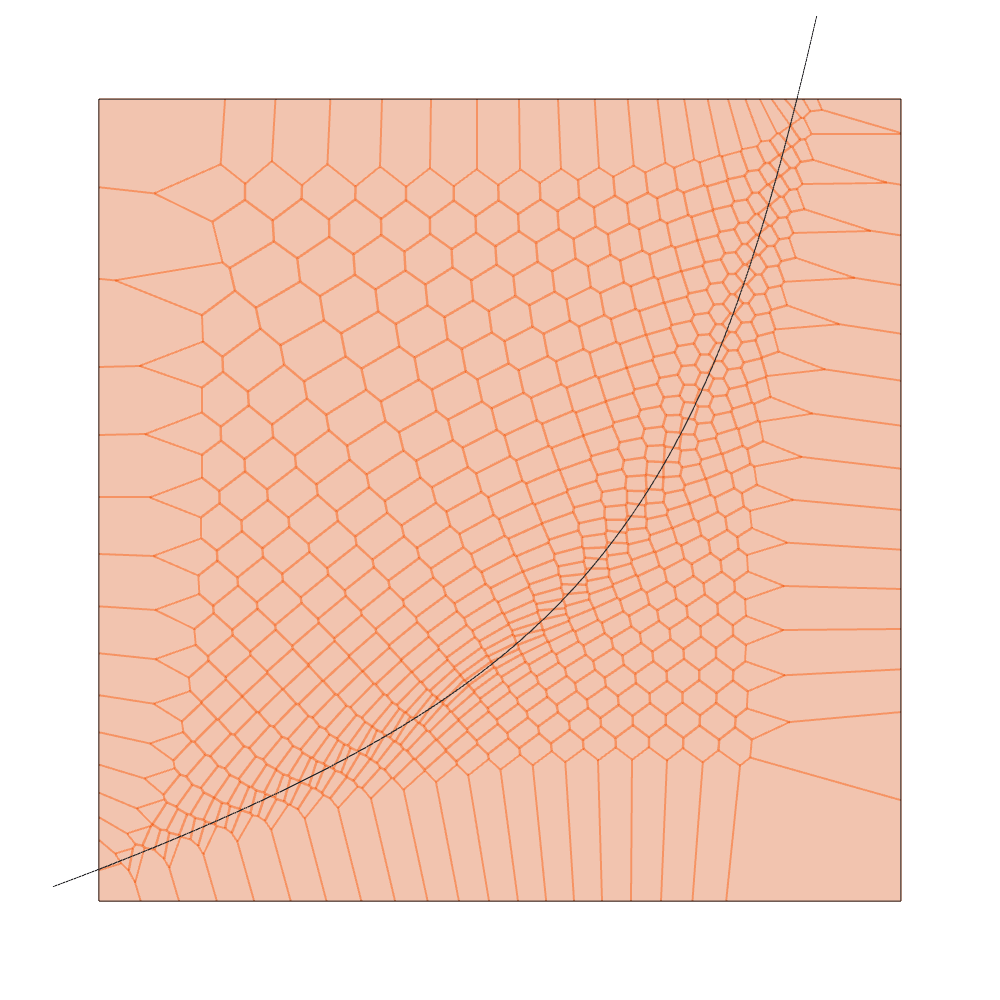
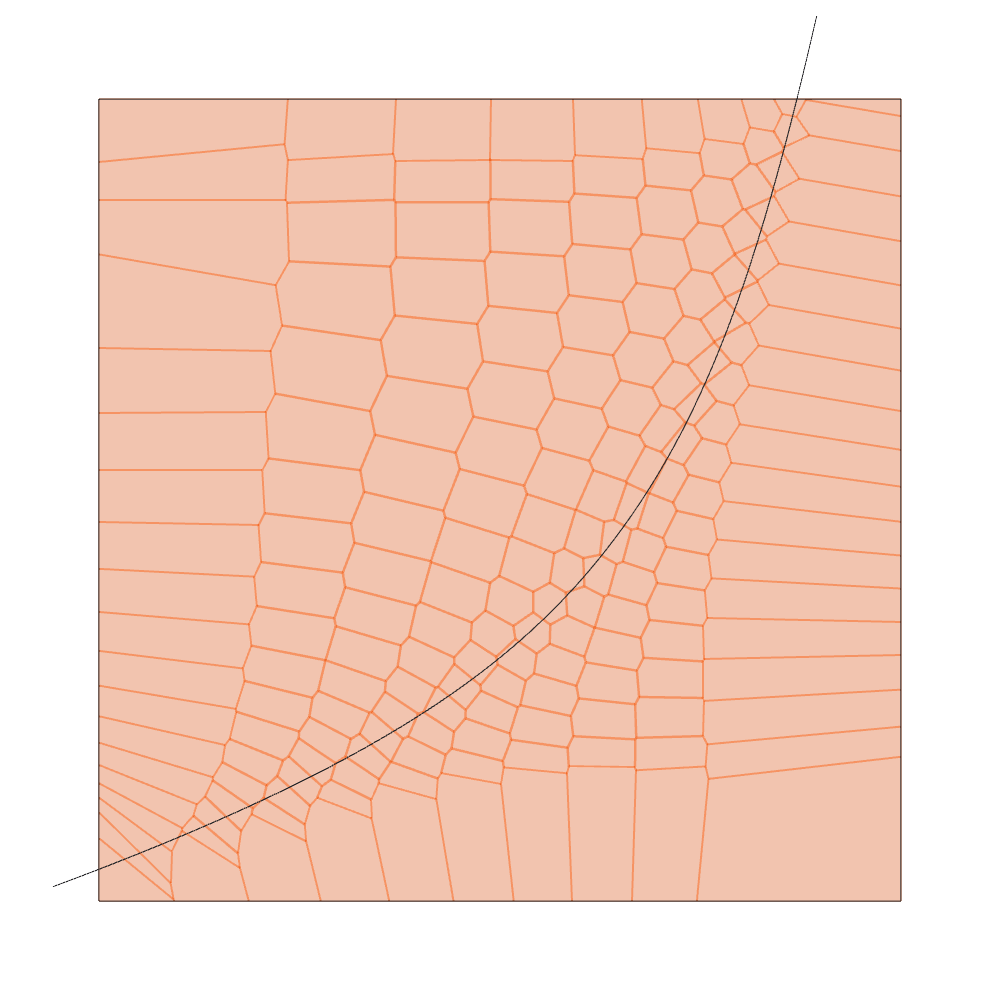
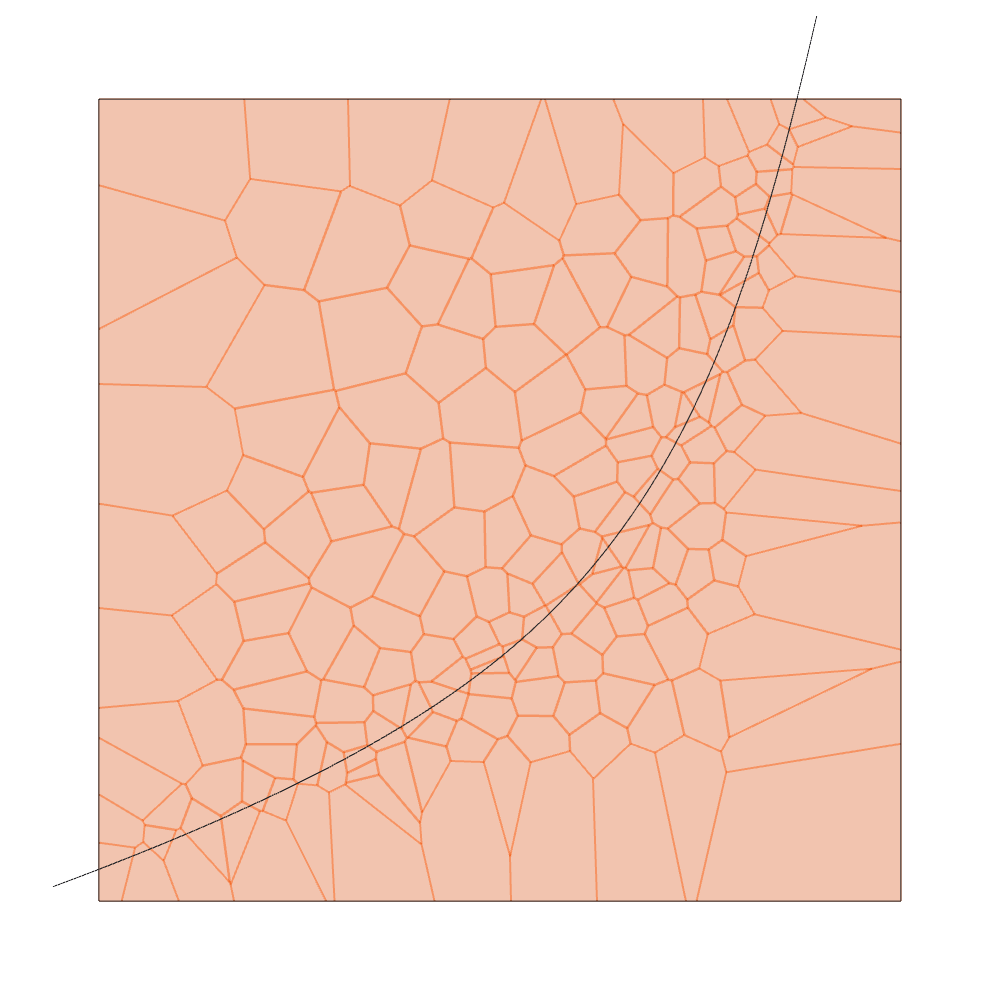
The definition runs every grid through both grid-fed seed components, and Scatter Seeds with and without the curve: columns are the grids, then Scatter, and rows are attracted seeds, then random ones. Each study works on its own 120 × 120 in region with the same attractor curve. Attracted seeds sit 0.15 to 0.85 of the way from the curve to where they started, nearest first; jittered seeds wander up to 0.7 of each cell’s half-size, seed 0.
Attracted
-
Rectangle Grid
Rectangle Grid in Region → Attractor Seeds → Voronoi in Region
12 × 7 180 cells
Full Size -
Triangle Grid
Triangle Grid in Region → Attractor Seeds → Voronoi in Region
Size 14 190 cells
Full Size -
Diamond Grid
Diamond Grid in Region → Attractor Seeds → Voronoi in Region
14 × 12 199 cells
Full Size -
Brick Grid
Brick Grid in Region → Attractor Seeds → Voronoi in Region
6 × 4, half bond 615 cells
Full Size -
Scatter Seeds
Scatter Seeds, pulled toward the curve → Voronoi in Region
200 seeds 200 cells
Full Size
Random
-
Rectangle Grid
Rectangle Grid in Region → Jitter Seeds → Voronoi in Region
12 × 7 180 cells
Full Size -
Triangle Grid
Triangle Grid in Region → Jitter Seeds → Voronoi in Region
Size 14 190 cells
Full Size -
Brick Grid
Brick Grid in Region → Jitter Seeds → Voronoi in Region
6 × 4, half bond 615 cells
Full Size